Common Insulation Problems in Commercial Buildings
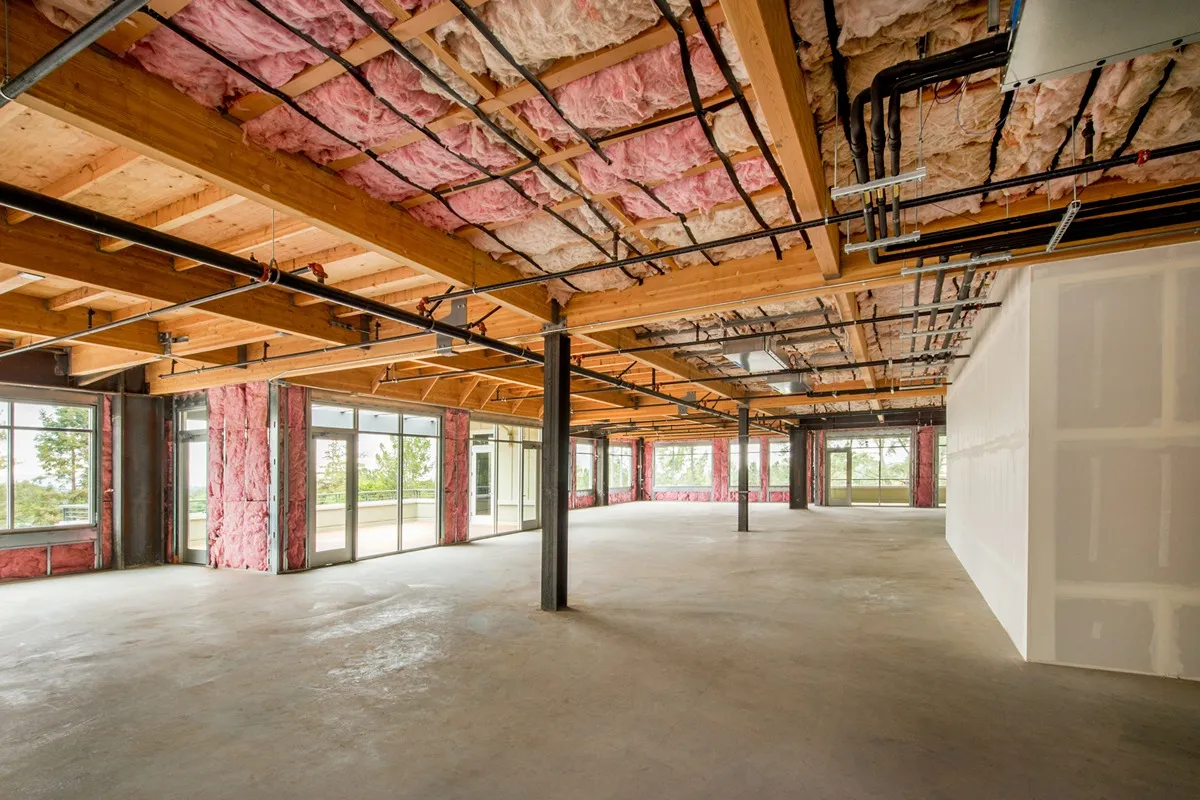
Insulation of a commercial building remains ignored until energy bills start climbing or indoor comfort takes a nosedive. The insulation plays a critical role in keeping operating costs of HVAC down, maintaining a comfortable environment, and prolonging the life of the building.
Unfortunately, commercial building insulation problems are prevalent. These issues lead to heavy energy bills that can drain your budget, and they can also lead to structural damage if you don’t address them early. Let’s know how to identify insulation problems to keep your building in good condition.
Why Insulation Matters That Much
Insulation is not just about keeping the building warm in winter; it is about creating a barrier that reduces heat transfer throughout the year. In a commercial building, the insulation helps to:
Lower energy cost by reducing the demand for heating and cooling
Improve indoor comfort for tenants, employees, and customers
Moisture control prevents mold growth and structural damage.
Compliance with building codes and energy efficiency standards
When insulation fails, you don’t just lose energy, but you are inviting other problems that can impact the structure of the building.
Common Commercial Building Insulation Problems
In commercial buildings, the outer look of the surfaces takes all attention; the issues behind the surface often remain unnoticed. Well, the common commercial building insulation problems are:
Inadequate Insulation Thickness
This problem refers to negligence during construction or when the building has aged. If the insulation is installed too thin, or it has settled over time, it won’t provide the necessary thermal resistance to keep your building efficient. In such situations, you can feel:
Hot or cold spots in certain rooms
Frequent HVAC cycling to maintain temperature
Higher than expected energy bills
Gaps and Voids in Coverage
If the thickness of the insulation is appropriate, but there are gaps, the insulation becomes ineffective. It is often caused by poor installation, settling, or during building modifications. Such problems can be identified by noticing:
Uneven temperature distribution
Cold drafts near walls, windows, or ceilings
Infrared thermal imaging showing cold or hot patches
Moisture Intrusion
Water is insulation’s worst enemy. In commercial buildings, moisture can enter through roof leaks, plumbing issues, or other related issues. In such situations, the effectiveness of insulation gets compromised, and it fosters mold growth. The key signs that indicate this problem are:
Musty odors in specific areas
Stains or discoloration on ceilings or walls
Soft or sagging ceiling tiles
Mold growth near HVAC systems
Compression and Settling
There are different types of insulation materials. Some of them, like fiberglass batts, can compress or settle, especially under the weight of stored items or due to building vibrations. It can reduce the insulation ability. Such problems can be identified by:
Reduced insulation height
Gaps forming at the top or sides of insulation batts
Drafts or fluctuating indoor temperatures
Rodent or Pest Damage
Mice, rats, and insects can nest in or chew through insulation. It can reduce its performance as the insulation becomes contaminated. In your commercial building, keep checking for:
Visible droppings or nesting materials
Chewed or shredded insulation
Unexplained odors in walls or ceilings
Outdated or Low-Quality Materials
Older commercial buildings may still rely on insulation materials that are less efficient than the modern options. The older materials might have degraded over decades, so look for:
Even the best insulation material might not work if it is not installed correctly. Incorrect installation practices, like being compressed too tightly, being cut too short, or being left with unsealed gaps, raise problems. After getting the installation, check if there are any:
Irregular overage is visible in accessible areas like attics
Drafty condition near insulated walls
Poor performance despite good insulation material
How to Identify Insulation Problems Early
Being proactive, you can identify the issues early. To spot the insulation problems, you can focus on the following:
Track utility bills; if there is a sudden increase, the insulation needs to be inspected
Use thermal imaging to reveal hidden hot or cold spots behind the walls or ceilings
Listen to tenant feedback about temperature inconsistencies
Check for visible signs like water stains, drafts, or damaged insulation in accessible spaces
Get regular inspection, ideally once a year, after major events
Conclusion
Commercial building insulation problems may seem like a hidden issue, but their effects are felt in energy bills, tenant comfort, and long-term building health. To keep your building in good condition, you need to take swift action if it’s about insulation issues.
At Elite Group Commercial Inspections, we have a team of seasoned experts who know every single detail about commercial buildings. Schedule an inspection and let the incensed inspectors check insulation problems in your commercial property. Take the steps recommended by them and save money by reducing your utility bills.
Insulation of a commercial building remains ignored until ...
Our Commercial inspectors have decades of experience and focus on the major systems inside the commercial properties. What makes working with us so unique is that we perform all types of inspections from plumbing to structural.