
Heavy winter rains can leave more behind than puddles. In Los Angeles, recent storms have pushed drainage systems to their limits, with water finding its way into roofs, foundations, and sealed edges around windows. Even after things dry up on the surface, moisture can linger where it’s harder to notice.
That’s why spring is the right time to take a closer look.
This guide walks you through the key checks and fixes to handle post-winter damage and prepare your building for the months ahead. It’s a simple way to stay ahead of repairs and keep your property in good shape year-round.
Why Spring is the Most Critical Season for LA Buildings
Most people think Los Angeles weather is easy on buildings. They assume the sun is the only thing we have to worry about.
The transition from a wet winter to a scorching summer is when the most damage happens.
Materials expand and contract as temperatures swing. This opens up tiny cracks you might not notice until the next big storm. Catching these issues in April or May saves you a fortune in August. It is much cheaper to fix a seal now than to replace a moldy wall later.
Inspecting the Roof After the Atmospheric Rivers
Flat roofs are standard for most commercial buildings in Los Angeles. They are also the first thing to fail after heavy rain.
Look for “ponding” water. If you see large puddles that haven’t evaporated, your drainage is clogged, or your roof is sagging.
The weight of standing water can actually cause a structural collapse over time. You also need to check for “alligatoring,” which is when the sun cracks the roof surface.
The City of Los Angeles provides specific building code resources for roof maintenance that every owner should be aware of.
Clearing Out the Drainage and Gutter Systems
During the winter storms, wind carries palm fronds, trash, and silt into your building’s drainage pipes.
If these are blocked, the next spring shower will cause water to back up into your lobby or warehouse floor.
Check your area drains and scuppers for any debris. The tricky part is that a pipe can look clear at the top but be blocked deep inside. Running a simple garden hose through the lines can tell you if they are flowing freely. If they aren’t, you need a pro to snake them out.
Tuning Up the HVAC Before the First Heatwave
In Los Angeles, a broken AC in July is a legal and financial nightmare for commercial landlords.
Spring is the time to swap out air filters and clean the condenser coils. Dust from the Santa Ana winds loves to clog these systems up.
A dirty unit has to work twice as hard to cool the same space. This spikes your energy bill and leads to an early system failure.
Evaluating the Building Envelope and Windows
The “envelope” is just a fancy way of saying everything that keeps the outside weather out.
Check the caulking around every window and door. The intense SoCal sun dries out silicone, making it brittle. When it gets brittle, it pulls away from the frame. This lets cool air escape and moisture creep in during the next rain.
Walk the perimeter of your building and look for any new cracks in the stucco. Even a hairline crack can be a highway for termites or water.
Landscaping and Wildfire Preparedness
Spring is when everything grows, but in LA, that growth becomes fuel for fire season.
The Los Angeles Fire Department has strict rules about “Defensible Space” and brush clearance.
You must clear any dead vegetation or dry grass within 100 feet of your building. This isn’t just a good idea; it is often the law. Failing to do this can lead to heavy fines or your insurance company dropping your coverage.
Checking for Post-Rain Termite Activity
Termites in Southern California love a wet winter. They thrive in the damp soil that follows our big storms.
Look for “mud tubes” climbing up the foundation of your building. These look like small veins made of dirt. If you see these, the termites are already inside your walls, eating the framing.
Early detection in the spring prevents a total structural loss.
Many owners skip this step because they think termites only eat old wooden houses. That is a dangerous mistake because they can easily damage commercial properties, too.
Why a Commercial Inspection in Los Angeles is Worth the Cost
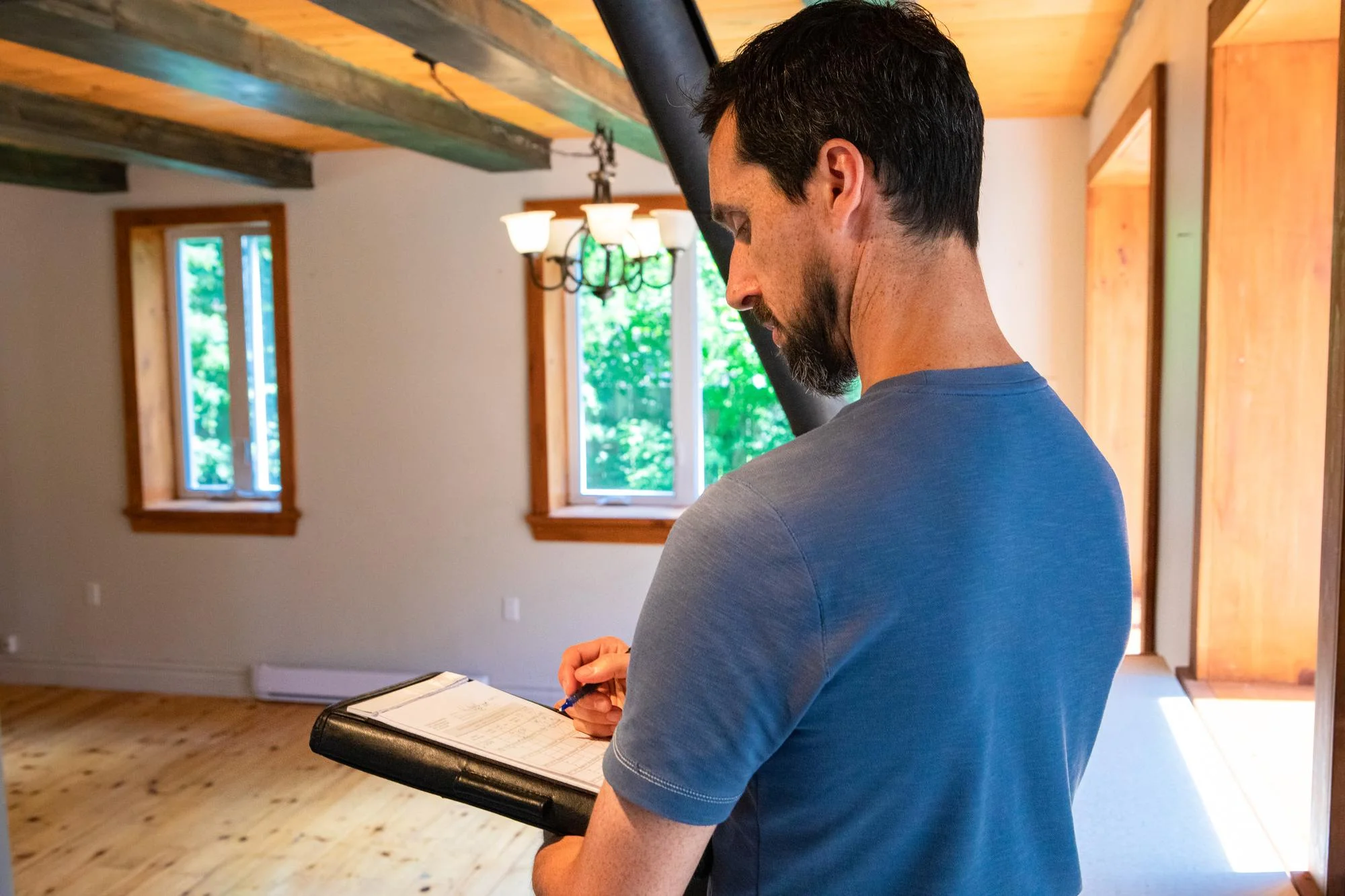
It is easy to miss the small details when you are busy running a business or managing tenants. This is why getting a professional commercial inspection in Los Angeles is a smart move every few years.
An expert has the tools to see what is happening inside the walls and on the roof without tearing things apart. They use thermal cameras and moisture meters to detect problems you can’t see with the naked eye.
This gives you a prioritized list of what needs to be fixed now and what can wait. It takes the guesswork out of your maintenance budget.
Protecting the Foundation and Parking Lot
The soil in Los Angeles is often “expansive,” meaning it swells when wet and shrinks when dry.
This movement causes cracks in parking lot asphalt and shifts in foundations. Spring is the time to seal those asphalt cracks. If water gets under the asphalt, it will wash away the base layer. This creates potholes that are a liability for trip-and-fall lawsuits.
Repairing a few cracks now is much cheaper than repaving the entire lot next year.
Essential Tools for Every Property Manager
You do not need a massive toolbox to keep up with your spring property maintenance checklist Los Angeles.
A good ladder, a high-powered flashlight, and a moisture meter are a great start.
You should also keep a digital log of every repair and inspection. This helps you track the “health” of your building over time.
Documentation is also vital if you ever decide to sell the property. It shows buyers that you actually took care of the place.
Securing Your Investment for the Long Haul
Owning a building in LA is a great way to build wealth, but only if the building stays standing.
Do not let a small leak or a dusty AC unit eat away at your profits. Use this season to get ahead of the curve. A little bit of work in the spring ensures that your building remains a safe and profitable space.
It also gives you the peace of mind to focus on your business rather than worrying about the next storm.
Professional Support for Your Commercial Property
Sometimes, a second set of trained eyes makes all the difference.
An experienced inspection can highlight issues that are easy to overlook, especially after a season of heavy weather. Catching them early helps you stay ahead of repairs rather than react later.
Elite Commercial Inspections works closely with LA property owners to provide clear, detailed insights into what needs attention and what can wait. You get a practical understanding of your building without unnecessary noise.
If you’re planning your spring maintenance, now is a good time to schedule a walkthrough and get a clearer picture of your property’s condition.