How to Ensure ADA Compliance During a Commercial Property Inspection
When it comes to running a commercial property, ensuring that your building meets ADA compliance standards is important. During a commercial property inspection, ensuring that your property meets ADA compliance guidelines is essential to avoid costly fines, lawsuits, and reputational damage.
In this blog, we’ll walk you through the key steps to ensure ADA compliance during a commercial property inspection. We will discuss key aspects for focus while explaining typical mistakes to avoid. We will also discuss procedures to confirm building code compliance, which results in accommodations for all users.
What Is ADA Compliance
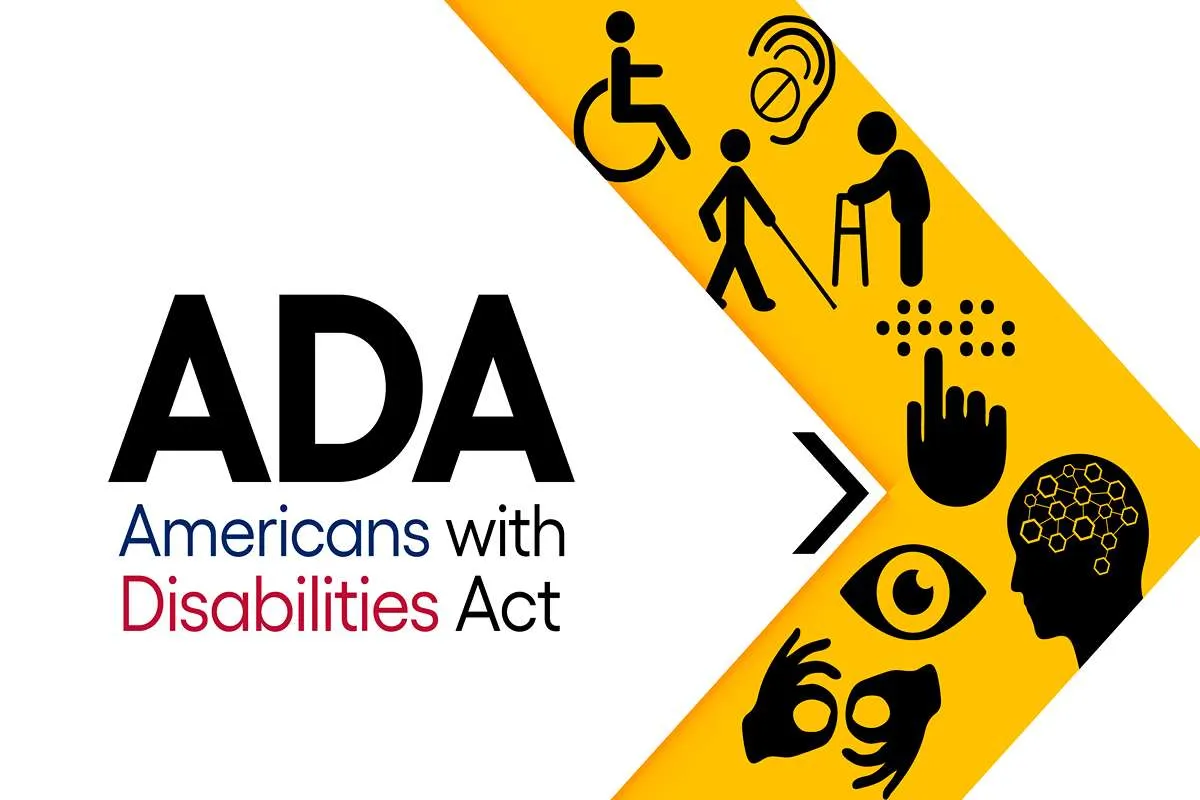
Before diving into how to ensure ADA compliance, it’s important to understand what the ADA means. The Americans with Disabilities Act (ADA) received the presidential signature in 1990 to provide equal access to disabled individuals in all public places. The law contains provisions for physical access, communication methods, and employment guidelines.
When we talk about ADA compliance, we refer to a building’s adherence to the accessibility guidelines set forth by the ADA. The guidelines enable people with disabilities to travel easily and use restroom facilities, elevator areas, parking lots, and other spaces.
Why ADA Compliance Matters
Ensuring ADA compliance isn’t just about meeting legal standards; it’s also about creating an environment that welcomes all individuals, regardless of their physical abilities. The ADA compliance standards are designed to make everyday activities easier and more accessible for people with disabilities, which can ultimately benefit you commercially as well.
From a legal perspective, failing to meet ADA compliance can result in hefty fines and lawsuits. The ADA National Network report shows that 4,000 disability-related suits were filed during 2019, mostly because of ADA violations. And it’s not just financial loss we are talking about. When buildings fail to meet ADA standards, their owners will lose their business reputation and receive negative publicity.
How To Ensure ADA Compliance During A Commercial Property Inspection
To check ADA compliance, the property must undergo a comprehensive examination of its different features. The commercial property inspection requires attention to these main areas.
Accessible Entrances and Doorways
A critical area of ADA compliance is ensuring that your building’s entrances are accessible to people with disabilities. Your entrances must adhere to these specifications.
There should be ramps with proper gradients and wide entrances that serve wheelchair users and individuals who need mobility aids.
The slope of the rams needs to be no steeper than 1:12. For every inch of height, the ramp should be 12 inches long.
The minimum threshold for doors is 32 inches because it enables wheelchair and walker users to pass through without any obstacles.
Restrooms And Bathroom Facilities
Bathrooms are one of the most frequently cited areas in ADA compliance cases. During commercial property inspections of bathroom facilities, this checklist needs to be followed for assessment:
The inspector will confirm that wheelchair-accessible stall spaces exceed 60 inches in width for ADA compliance.
Installation of grab bars beside toilets and shower areas.
The proper height for mounting sinks should be 34 inches maximum to support wheelchair users.
Parking Spaces And Signage
Parking is a key component of ADA compliance. The building entry point requires the installation of accessible parking spaces while ensuring they are properly marked. Some important considerations include:
The minimal requirement for accessible parking areas depends on the size of your total parking area. For 25 parking spaces, you must have at least 1 accessible parking spot for people with disabilities.
Accessible parking spaces should be at least 8 feet wide and have a 5-foot aisle beside them to allow people to easily get in and out of their vehicles.
Accessible parking spaces must display proper markings featuring the international symbol of disability, which should be prominently visible to everyone.
Elevators And Lifts
You must make elevators accessible whenever your building contains more than one floor. The following requirements need to be fulfilled by elevators:
Staff should place elevator buttons at heights between 34 inches to 48 inches above the floor to allow wheelchair users easy accessibility.
Every elevator door has to be at least 36 inches wide to let users with disabilities access them easily.
Lifts and elevators should be designed with features that welcome service animals together with assistive devices.
Signage And Wayfinding
The essential requirements for ADA building compliance include clear and easily observable signage. Information signs need to be readable for everybody while featuring a Braille version that helps vision-impaired individuals understand them. Ensure the following:
Install directional signs at critical points throughout the building, starting from elevators and extending to restrooms and exits.
Signs bearing room numbers and leading to emergency exits must include tactile and Braille lettering to serve individuals with vision disabilities.
Emergency Exits And Evacuation Routes
The commercial building must follow ADA regulations regarding emergency evacuation standards. Emergency exits must be designed for the safe evacuation of all people, including those with disabilities. During the inspection, focus on:
All emergency exit doors should have sufficient width to serve users with disabilities.
The escape routes should be free from all obstacles. Installing visual alarms in addition to audible ones should be encouraged.
Common Pitfalls To Avoid
Not noticing small details in a building could lead to ADA noncompliance, triggering violations. Avoid these common mistakes:
Neglecting Regular Maintenance: A building’s compliance depends on regular checks because permanent status cannot be taken for granted.
Ignoring Updates: Your facility needs periodic checks to ensure it follows all updated ADA guidelines that change over time.
Underestimating The Importance Of Training: Ensure your staff is trained on ADA compliance so they can effectively assist customers with disabilities.
Conclusion
Ensuring ADA compliance during a commercial property inspection is essential for creating an accessible, safe, and welcoming environment for all individuals. All necessary requirements can be achieved through proper management of entrances, restrooms, parking facilities, elevator operations, and appropriate signage implementation. Paying attention to ADA building standards safeguards your business legally and shows the active support you have for visitors with diverse needs.
Contact Elite Commercial Inspections today to guarantee full ADA compliance of your property. Our specialized team conducts an entire inspection, detects potential noncompliance, and provides practical advice to validate that your property follows ADA standards. Our team will assist you with building an environment that is accessible to all people.
When it comes to running a commercial property, ...
Our Commercial inspectors have decades of experience and focus on the major systems inside the commercial properties. What makes working with us so unique is that we perform all types of inspections from plumbing to structural.