Understanding the Useful Life of Systems in Multi-Family and Commercial Properties
Understanding the Useful Life of Systems in Multi-Family and Commercial Properties
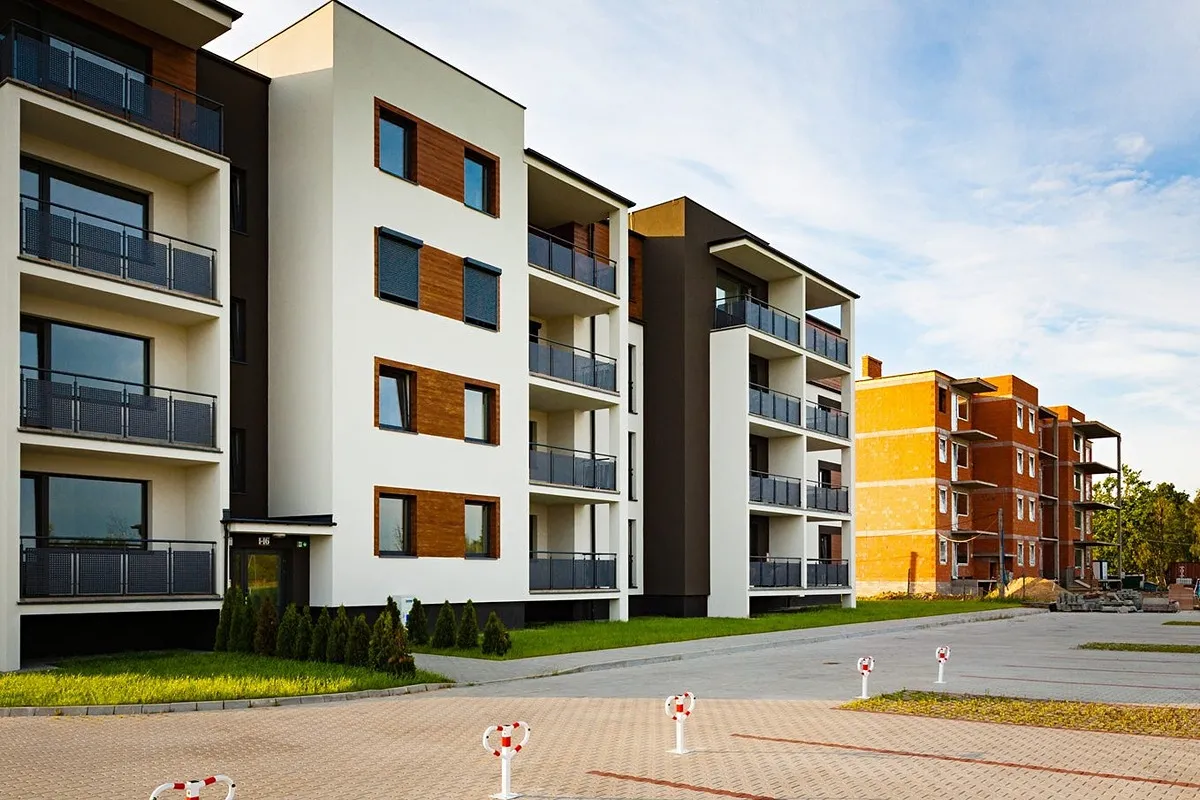
When you invest in a multi-family or commercial property, you’re not just buying bricks, mortar, and a prime location. You are also taking ownership of essential systems like HVAC, plumbing, roofing, and electrical. Just like any other component, these systems have a limited lifespan. By understanding their expected useful life, you can plan your budget wisely before investing.
Let’s explore the lifespan of multi-family and commercial property systems and discover what factors affect them. This knowledge will help you plan maintenance effectively as part of your long-term investment strategy.
Why Knowing the Life Span of Building Systems Matters
All installed systems in a multi-family or commercial building function like vital organs. Each system plays a critical role in keeping the property operational and profitable. If one fails unexpectedly, it can trigger a domino effect of inconvenience, costly repairs, and even tenant dissatisfaction. By knowing the expected useful life of building systems, you can:
Plan capital expenditures in advance
Avoid sudden repair bills that disrupt your budget
Keep tenants satisfied with fewer disruptions
Maintain compliance with safety and building regulations
Average Multi-Family and Commercial Property System Life Span
While every property is different, below is a general breakdown of how long major systems typically last under normal conditions:
Roofing System
Depending on the materials used—such as asphalt shingles versus metal roofing—a roof can last between 15 to 40 years. Weather exposure, installation quality, and maintenance frequency significantly affect its longevity.
HVAC System
The average lifespan of a heating, ventilation, and air conditioning system ranges from 10 to 20 years. Climate conditions, seasonal maintenance, and timely filter replacements influence system performance and durability.
Plumbing System
Plumbing systems can last 20 to 50+ years depending on the pipe material. Water quality, usage frequency, and installation standards all impact their lifespan.
Electrical Systems
Electrical wiring typically lasts 30 to 50 years, although panels and breakers may require earlier replacement. Load demands, compliance with modern codes, and proper installation determine the system’s longevity.
Elevators
Elevators generally last 20 to 30 years before major modernization becomes necessary. Usage volume, maintenance frequency, and technology upgrades all influence their service life.
Windows and Doors
Depending on materials such as vinyl, aluminum, or wood, windows and doors typically last 15 to 30 years. Climate exposure, sealing quality, and regular upkeep are major factors affecting durability.
How Can the Longevity of These Systems Be Improved
The most effective way to extend the useful life of building systems is through consistent maintenance and regular inspections. A qualified commercial inspector can:
Identify early signs of wear and deterioration
Recommend preventive maintenance strategies
Help prioritize repairs and replacements
Scheduling a multi-family or commercial property inspection provides a complete evaluation of your building. This proactive approach reduces the risk of emergency repairs, extends system life, and allows you to align maintenance planning with your financial strategy.
Signs That Indicate a Building System Is Nearing the End of Its Life
Before a system reaches the end of its lifespan, it often shows warning signs such as:
Unusual noises in HVAC systems, fluctuating water pressure, or visible roof discoloration
Increasing frequency of repairs Reduced energy efficiency Emerging safety concerns
Staying proactive with commercial inspections helps identify these issues early and address them cost-effectively.
Final Thoughts
Understanding the lifespan of multi-family and commercial property systems is not just helpful—it is essential for smart property management and long-term profitability.
Get an inspection from Elite Group Commercial Inspections to evaluate and track the useful life of your building systems and protect your investment. With professional insight, you can ensure that all systems operate efficiently for decades to come.
When you invest in a multi-family or commercial ...
Our Commercial inspectors have decades of experience and focus on the major systems inside the commercial properties. What makes working with us so unique is that we perform all types of inspections from plumbing to structural.