Top 10 Red Flags Found During Commercial Property Inspections
Top 10 Red Flags Found During Commercial Property Inspections
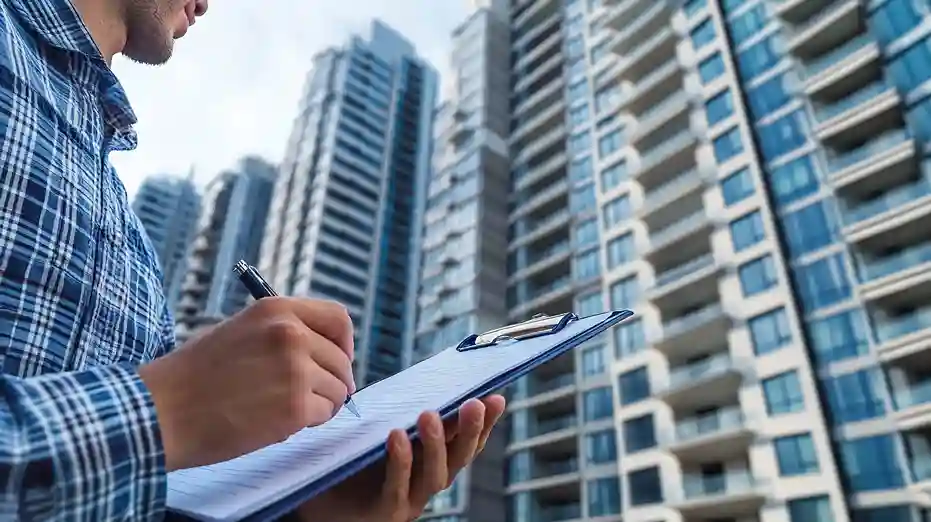
All wise investors and buyers conduct a commercial building inspection before deciding. This inspection helps them understand the property’s condition and ensure they are not gambling with their investment.
Inspections are a savior for those who are buying or leasing a property. They uncover hidden issues that can surprise you after you own the building.
A commercial inspector uncovers all present and potential problems in the property; the serious ones are known as commercial property inspection red flags.
Top 10 Red Flags in Commercial Properties
Our licensed commercial inspectors have discovered some common red flags in commercial properties.
1. Structural Issues That Compromise Safety
The foundation and structural integrity of a commercial building are non-negotiable. If cracks, uneven settling, or bowed walls are detected, major stability issues are just around the corner.
Structural repairs are among the most expensive fixes in real estate. Poor structural conditions can make insurance or financing of the property difficult.
When structural problems are detected in a commercial building, inspectors recommend that a structural engineer evaluate the issue for a detailed assessment and suitable solution.
2. Roof Damage or Deterioration
Commercial roofs are often flat or low-slope and prone to pooling water, membrane tears, and poor drainage. Common issues in commercial roofs include:
Leaks or water stains in interior ceilings
Cracked or missing roof membranes
Rust around flashing and drains
Replacing a commercial roof can cost tens of thousands of dollars or more, depending on the size of the building. If your inspector reports ongoing roof problems, you are looking at major future expenses.
3. Outdated or Faulty Electrical Systems
Electrical issues are another high-priority red flag. Problems may range from outdated panels to overloaded circuits or visible wiring hazards. Electrical failures are a leading cause of commercial fires.
Outdated systems may not support modern needs, especially in offices or industrial spaces. A proper inspection checks whether the electrical system meets current codes, if wiring is safe, and whether capacity is sufficient for the intended use.
Ignoring this red flag can create safety risks and limit the functionality of your property.
4. Plumbing and Water Intrusion Problems
Leaks, corroded pipes, poor drainage, or sewer line blockages are common findings during commercial building inspections. Plumbing issues or water intrusion can cause mold growth in hidden areas of the building.
Poor air quality or persistent musty odors can also affect tenants’ comfort. If the inspection report highlights hidden water damage, take it seriously. A small leak today could cause widespread mold contamination tomorrow.
5. HVAC System Failures
Heating, ventilation, and air conditioning systems are among the most expensive components in commercial buildings. If the system is nearing its expected lifespan, there is poor ventilation in common areas, or the inspector notices inconsistent temperatures across the building, it can strain your budget.
6. Fire and Safety Code Violations
Commercial properties must meet strict fire and life safety codes. Inspectors look for working alarms, sprinkler systems, fire doors, emergency exits, and accessible pathways.
Fire code violations can lead to hefty fines or even building closure. This can end up as a major liability for the owner. If an inspection has found this red flag, investing in upgrades immediately is highly recommended.
7. Environmental Hazards
Older commercial buildings often contain hidden environmental hazards. Asbestos in insulation or flooring, radon in basements, and mold in wall cavities are common findings.
Environmental hazards create health risks for employees, customers, and tenants. Remediation of such substances can be lengthy, disruptive, and expensive.
If your commercial property inspection highlights environmental hazards such as asbestos, radon, or mold, specialized testing is recommended before moving forward.
8. Poor Drainage and Site Grading Issues
It is not just the building itself that matters; the surrounding site plays a big role too. Improper grading, standing water, or poor drainage can compromise the foundation and landscaping of the building.
To avoid structural weakening and long-term damage, this problem should be addressed as early as possible.
9. Deferred Maintenance and Neglected Upkeep
A building may look fine at first glance, but an inspection often reveals years of deferred maintenance. Rusted HVAC units, peeling paint, cracked sidewalks, and non-functional fixtures can all add up due to neglected upkeep.
Buyers may inherit a long list of costly repairs. It is better to stay vigilant during the buying process and obtain a detailed inspection of the property.
10. Accessibility Non-Compliance
Commercial buildings must comply with the Americans with Disabilities Act (ADA). Inspectors check whether ramps, elevators, restrooms, and parking areas meet accessibility standards.
Non-compliance can expose owners to lawsuits and fines. Upgrading to ADA standards often requires significant remodeling and financial investment.
Wrapping It Up
Investing in commercial property is a major decision. Being aware of commercial property inspection red flags before buying, leasing, or investing helps protect your capital and long-term returns.
An inspection provides a complete picture of both minor and major issues in the building, from structural concerns to ADA non-compliance.
Before taking the big step, let the experts of Elite Group Commercial Inspection evaluate the property. Schedule a commercial property inspection and learn about potential red flags before you invest.
All wise investors and buyers conduct a commercial ...
Our Commercial inspectors have decades of experience and focus on the major systems inside the commercial properties. What makes working with us so unique is that we perform all types of inspections from plumbing to structural.